Unlocking Medical Mysteries
Navigating Fistula Care: Understanding the Vital Role of Pathology in Fistula Treatment
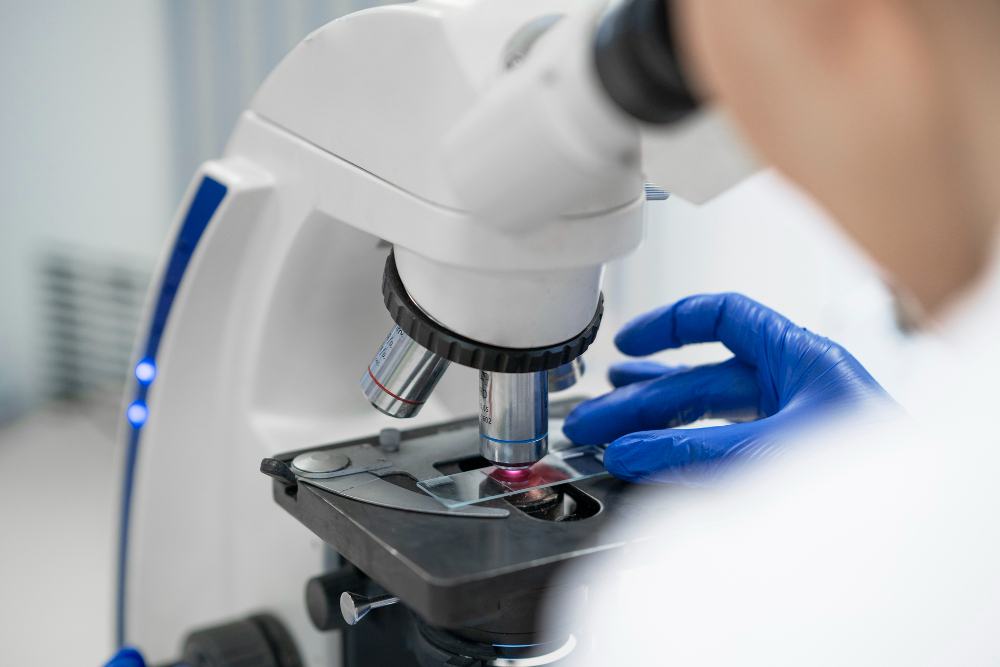
Fistula is a condition where an abnormal passage forms between two parts of the body, often due to long-standing infection or inflammation. Proper diagnosis is important to treat fistula safely and effectively. Pathology helps doctors understand the cause of the fistula and plan the right treatment.
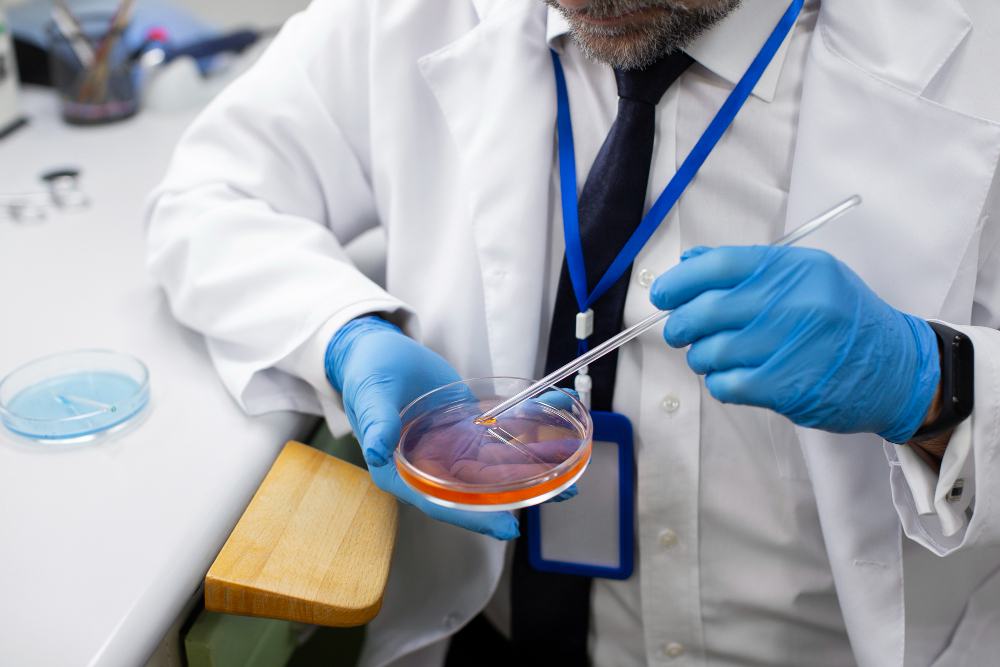
- Pathology examines tissue from the fistula to find the exact cause, such as infection, inflammation, or other diseases.
- It helps doctors rule out serious conditions like tuberculosis, Crohn’s disease, or cancer.
- The results guide surgeons in choosing the best and safest treatment option.
- Accurate testing ensures the treatment plan is effective and reduces chances of recurrence.
Fistula Treatment: What Patients Should Know
A fistula is an abnormal tunnel that forms between two parts of the body, most commonly due to long-standing infection or inflammation. Proper diagnosis and timely treatment are important to prevent pain, discharge, and repeated infections.
Fistula treatment usually depends on the location, cause, and complexity of the condition. Doctors may use physical examination, imaging tests, and sometimes minor procedures to understand the fistula tract before deciding on treatment. In many cases, surgery is required to close the fistula and allow proper healing.
Early treatment helps reduce complications, lowers the chance of recurrence, and improves overall quality of life. With the right medical care and follow-up, most patients can achieve good recovery and return to normal daily activities.